Ryan Marcus, assistant professor at the University of Pennsylvania.
Using machine learning to build the next generation of data systems.
    ____                       __  ___
   / __ \__  ______ _____     /  |/  /___ _____________  _______
  / /_/ / / / / __ `/ __ \   / /|_/ / __ `/ ___/ ___/ / / / ___/
 / _, _/ /_/ / /_/ / / / /  / /  / / /_/ / /  / /__/ /_/ (__  )
/_/ |_|\__, /\__,_/_/ /_/  /_/  /_/\__,_/_/   \___/\__,_/____/
      /____/
   ___                   __  ___
  / _ \__ _____ ____    /  |/  /__ ___________ _____
 / , _/ // / _ `/ _ \  / /|_/ / _ `/ __/ __/ // (_-<
/_/|_|\_, /\_,_/_//_/ /_/  /_/\_,_/_/  \__/\_,_/___/
     /___/
   ___  __  ___
  / _ \/  |/  /__ ___________ _____
 / , _/ /|_/ / _ `/ __/ __/ // (_-<
/_/|_/_/  /_/\_,_/_/  \__/\_,_/___/
Offline Query Optimization
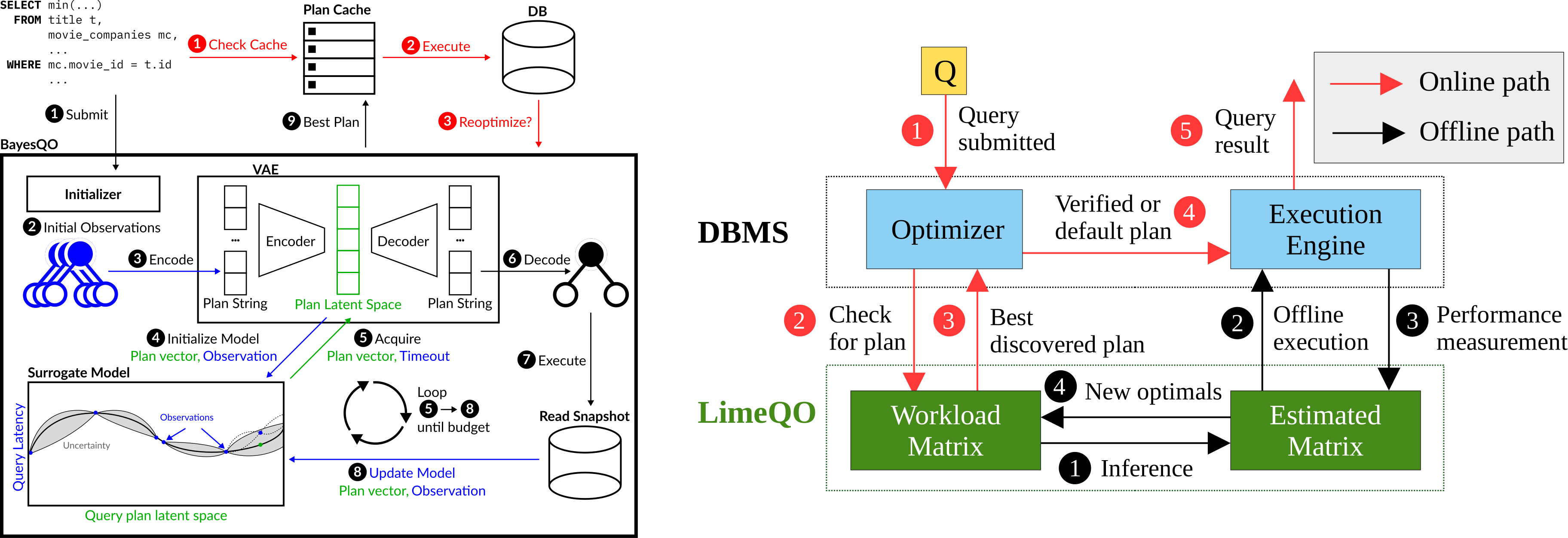
Think of offline query optimization as giving your database the luxury of time. Standard optimizers are forced to make split-second decisions, often settling for “good enough” plans to avoid delays. However, for repetitive dashboards and reports that run thousands of times, it pays to do the heavy lifting offline, rigorously exploring options to find the best possible plan without slowing down live traffic.
Papers
- Low Rank Learning for Offline Query Optimization
- Zixuan Yi
- Yao Tian
- Zachary G. Ives
- Ryan Marcus
SIGMOD '25 (pdf) (doi)
- Learned Offline Query Planning via Bayesian Optimization
- Jeffrey Tao
- Natalie Maus
- Haydn Jones
- Yimeng Zeng
- Jacob R. Gardner
- Ryan Marcus
SIGMOD '25 (pdf) (doi)
- AutoSteer: Learned Query Optimization for Any SQL Database
- Christoph Anneser
- Nesime Tatbul
- David Cohen
- Zhenggang Xu
- Prithvi Pandian
- Nikolay Leptev
- Ryan Marcus
VLDB '23 (pdf) (doi)
People